


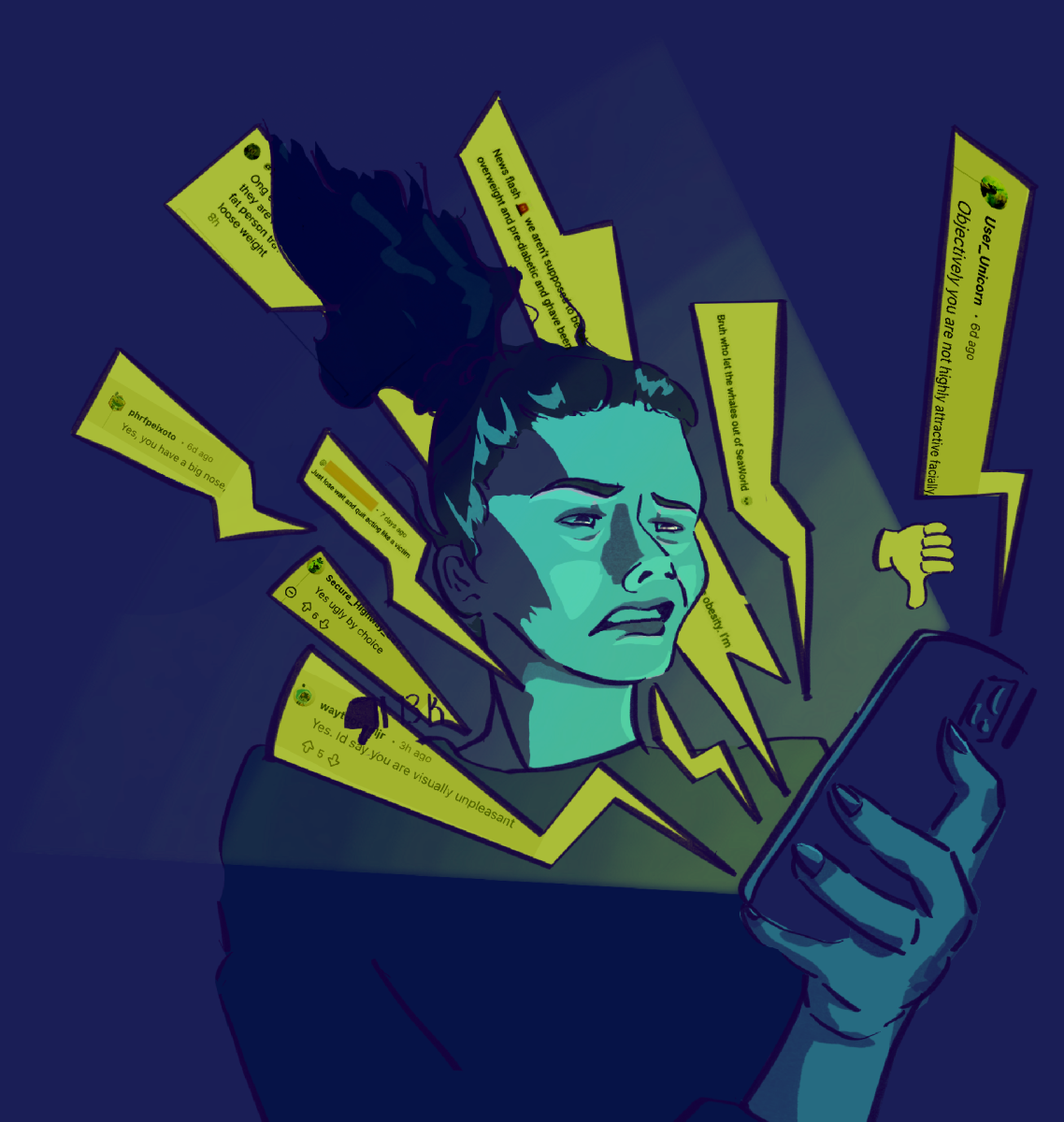
You’ve seen it before: a clipped video, a furious caption and a comment section on fire before anyone knows what actually happened. On today’s media platforms, outrage doesn’t just spread — it wins. The loudest voices rise to the top not because they are the most thoughtful, but because they’re the most combustible.
Media ecosystems increasingly reward anger over reasoning as extremes outperform explanations and certainty outpaces curiosity. In a culture built for virality, nuance is slow and fury is fast, and when volume becomes a substitute for substance, public debate shifts from prioritizing problem-solving to salivating over performance.
Social media might not have invented outrage, but it certainly perfected its circulation. Platforms are designed to amplify whatever keeps people scrolling — and nothing hooks attention like moral conflict.
A measured argument asks people to think, but a furious post tells them exactly what to feel. Algorithms don’t care whether something is true or useful, only whether it is engaging.
And engagement is easiest when it feels like a fight.
This incentive structure reshapes how people speak. Opinions harden into declarations as disagreement becomes personal and complexity is perceived as alien. The goal is no longer to persuade, but to dominate — to ratio, to humiliate, to go viral.
Being correct matters less than being seen.
Outrage now masquerades as seriousness. Anger looks like conviction, and volume looks like virtue. But reaction is not reflection, and condemnation is not comprehension. Performative moral panic often requires far less effort than actually understanding what happened, why it happened or how it could be fixed.
This is not bravery — it’s a spectacle.
The problem is not that people care, but rather that their concern has been flattened into hollow rage. Issues become characters in a drama instead of real problems to be solved, with every conflict reduced to heroes versus villains and every disagreement twisted into the betrayer versus the betrayed.
The result? A culture that prefers moral theater over moral reasoning.
When anger becomes the default language of politics and the media landscape, something important is lost: the space for thinking out loud.
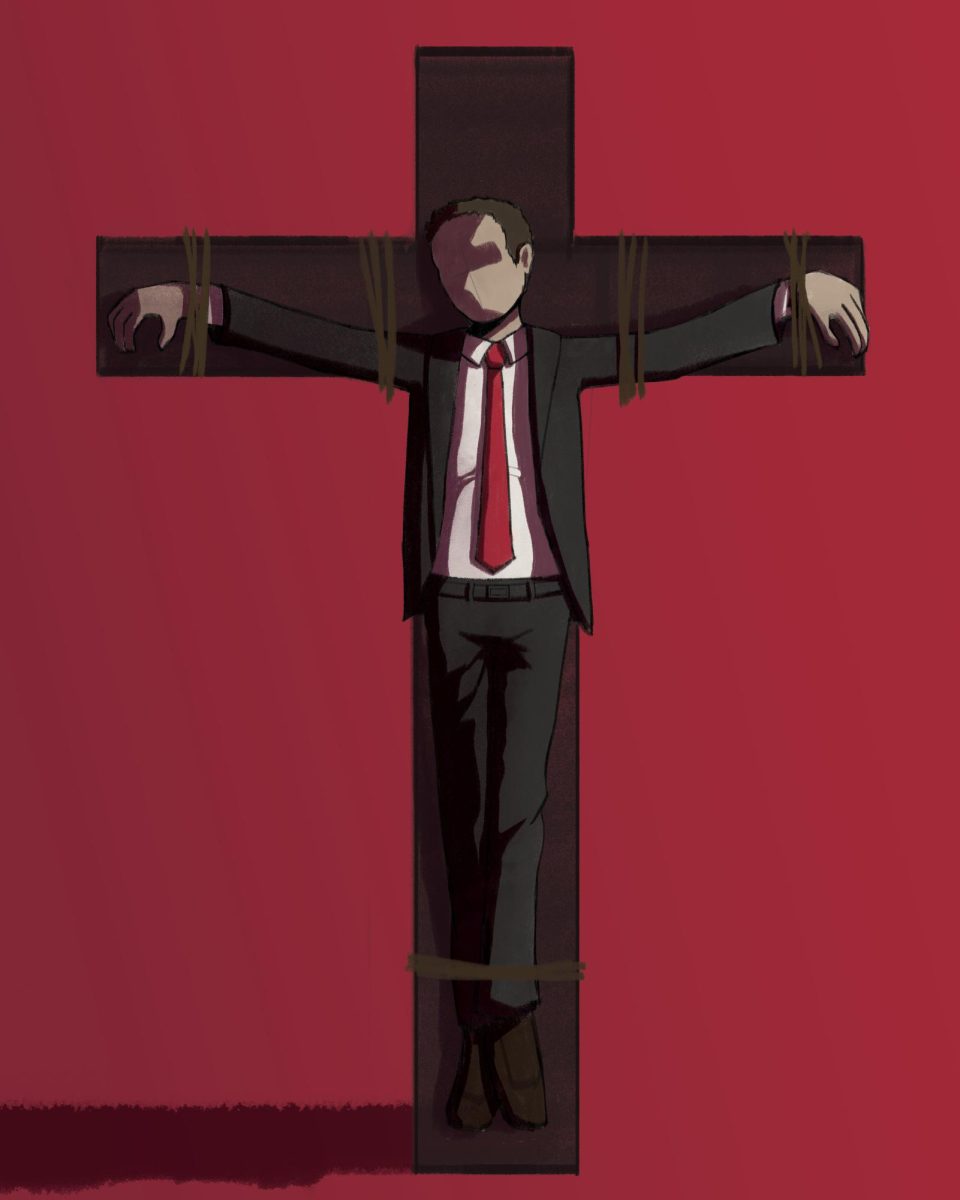
Reasonable voices hesitate to speak out in fear of being punished for their supposed complexity that deviates from the script. Acknowledging uncertainty is treated as weakness, while asking questions is framed as disloyalty. In outrage culture, you must already know who to blame before you are allowed to talk. The middle ground is not debated — it is dismissed.
This doesn’t just distort conversation; it distorts outcomes. When public pressure is driven by viral fury, leaders learn to respond to noise rather than judgment, a capitulation manifesting as policy that is reactive instead of deliberate. Institutions become governed by scandal cycles as opposed to careful planning, with the loudest backlash, not the best argument, setting the agenda.
People justify this culture by saying anger is necessary, that if you’re not furious, you’re not paying attention, that rage is the only way to be heard.
But noise is not the same as influence, and rage is never the same as rigor; a timeline filled with fury may look like activism, but it often replaces the harder work of persuasion, coalition-building and long-term strategy. Outrage flares quickly and fades just as fast, leaving behind little more than another trending topic and another unresolved problem.
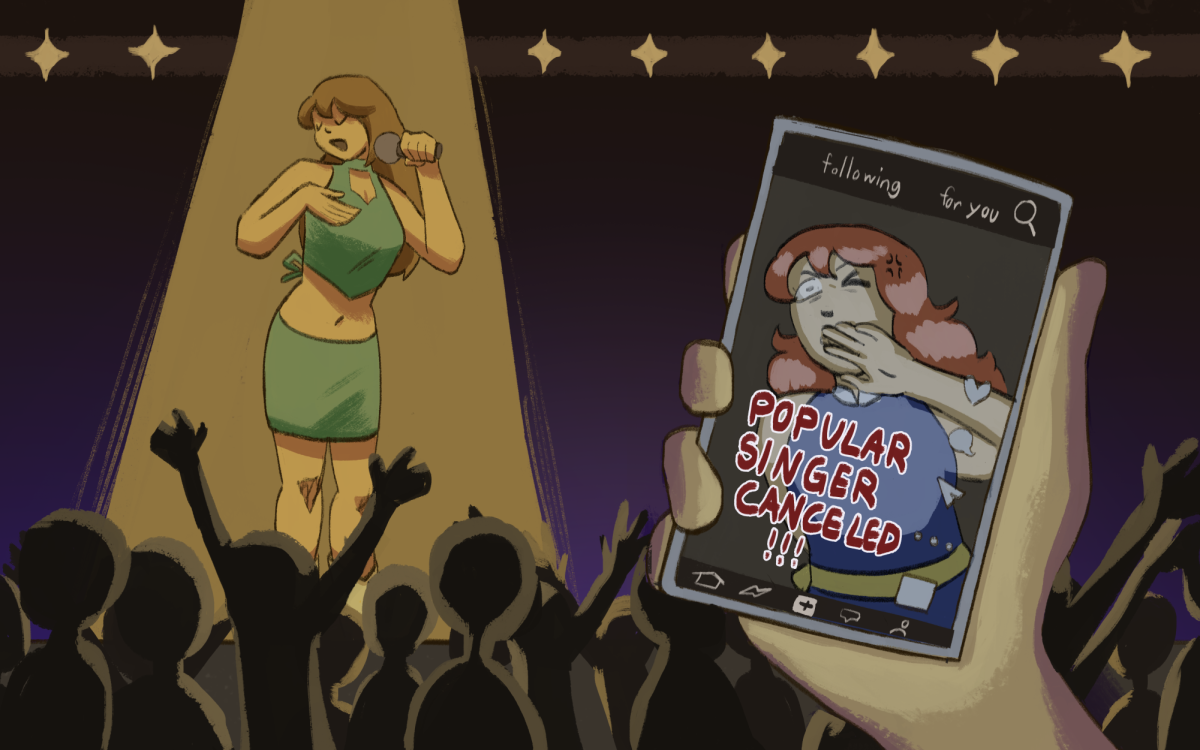
Social media teaches us to treat politics like entertainment: scandals become binge-worthy episodes, discourse becomes content and public figures become characters we love or hate on cue. The bottom line is that, like all entertainment, politics thrives on drama because calm explanations do not trend, nor does thoughtful disagreement go viral.
But humiliation does. Fear does. Fury does.
Unlike cinema, however, this has consequences beyond the screen. When debates are reduced to moral shouting matches, compromise becomes impossible. Solutions require trade-offs, but outrage demands purity. Every policy becomes symbolic, every decision a test of loyalty as governing turns into posturing and citizenship into performance.
What makes this climate especially dangerous is how righteous it feels. Outrage gives people the emotional reward of feeling correct without the intellectual burden of being careful. It offers moral clarity without moral responsibility, lets us participate without listening.
But public life cannot run on viral anger alone. Societies do not solve problems by screaming at each other. They solve them by arguing — not as enemies, but as people who share a future. That requires patience, evidence and the willingness to be wrong. Unfortunately, these are precisely the traits that outrage culture punishes.
Reason is not weakness; calm is not complacency; nuance is not neutrality.
Choosing to think before reacting is not silence — it is resisting a system that profits from fury. In an economy of clicks, slowing down is a political act, while refusing to turn every disagreement into a spectacle is a moral choice.
Outrage may feel powerful, but, in reality, it is often shallow, amplifying our voices without making us any wiser. And a public culture that confuses anger for insight will never produce thoughtful solutions.
The most audible voices may dominate the feed, but they should not dominate the future.
A democracy doesn’t collapse from disagreement but from noise. If public debate becomes nothing more than a contest of who can shout the loudest, then reason is not losing because it is wrong — it is losing because it is quiet.
If we want a culture that solves problems instead of exploiting them for attention, we must value arguments over outbursts, explanations over accusations and thought over theater.
Outrage will always be louder than reason. The question is whether we will keep mistaking volume for truth.
Prachi Arora is a political science freshman and opinion writer for The Battalion.







Isabella Garcia • Feb 28, 2026 at 6:44 pm
ATEEEEEE