
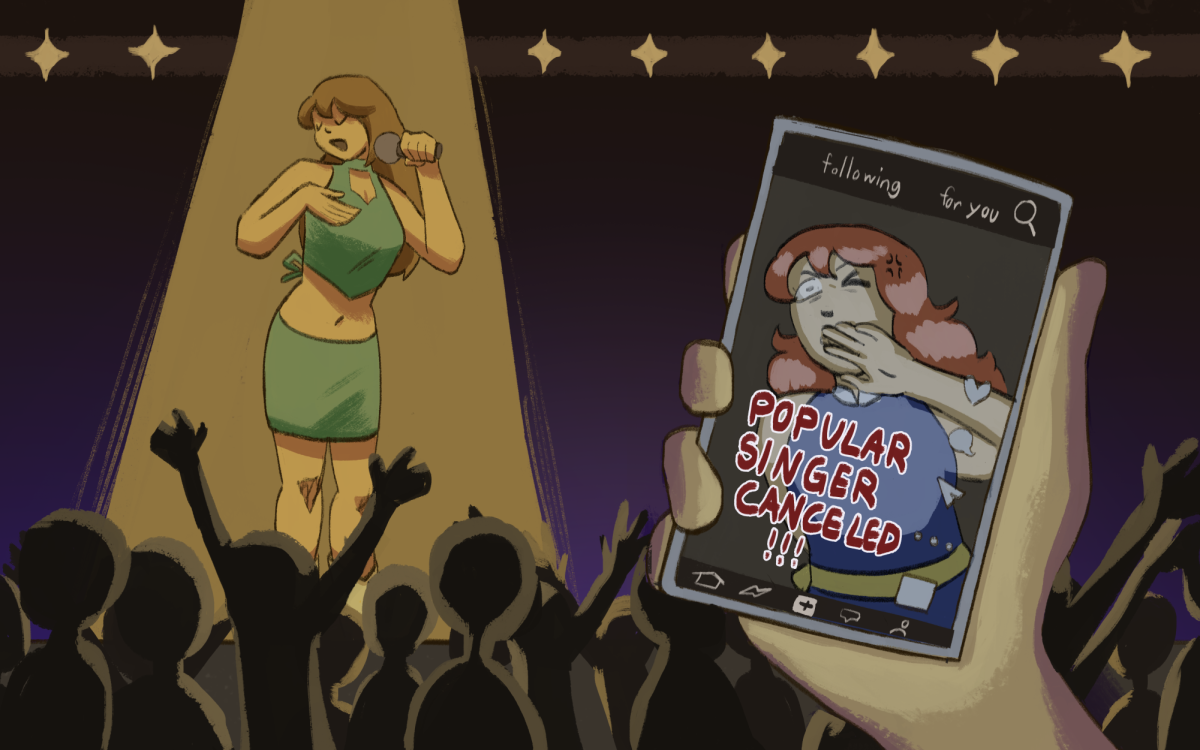
Is there anything music artists fear more than being “canceled”?
What was once reserved for musicians like The Chicks, who faced widespread criticism after speaking out in protest of the Iraq War in 2003, is now a normal reality for anyone within the music industry. “Cancel culture” no longer feels like a tool for accountability but rather is a system that tears down artists deemed unlikeable.
If you’ve spent even a couple of minutes on the internet over the past few months, you likely have an opinion on the latest musical artist beef or supposed meltdown from that next up-and-coming artist.
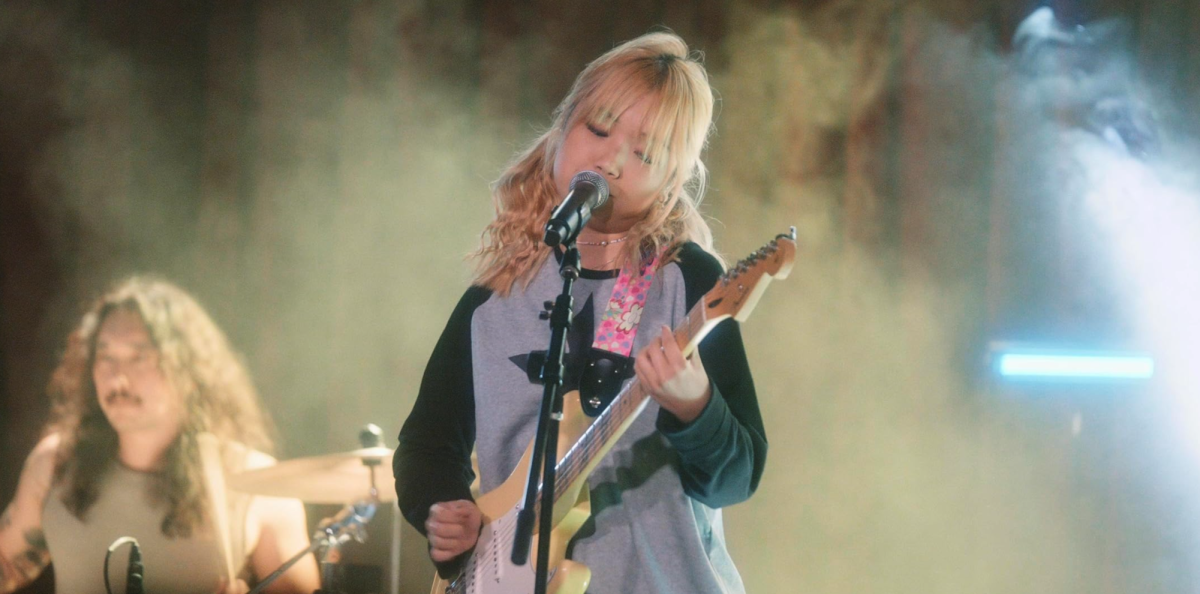
Take Chappell Roan as an example. Just a couple of weeks ago, she was dragged into a controversy surrounding the 11-year-old stepdaughter of Brazilian soccer star Jorginho. Allegedly, Roan had one of her security guards intimidate the child, who was trying to introduce herself to the pop star, so that she would not be disturbed while eating breakfast in a Sao Paulo hotel.
On the surface, the story makes Roan look like a child-hating monster, but she had absolutely nothing to do with what occurred. In fact, Jorginho even made a statement on his Instagram saying that “she had no knowledge of what took place.”
Misunderstanding or not, the consequences have been very real for Roan. Because of the allegations, the mayor of Rio de Janeiro has banned the music artist from performing in the city while he’s in office. Additionally, the public perception of Roan has never been more vitriolic than at present in response to the situation.
This kind of reaction raises an important question: What exactly are we punishing artists for, and why does the punishment seem so wildly inconsistent?
This situation with Roan is unfortunately juxtaposed with another music artist who has long been in the limelight: Chris Brown. At this point, Brown is more infamous than he has ever been famous, accused of and arrested on numerous charges of assault after a violent encounter with a woman on the yacht of Sean “Diddy” Combs, a rapper who has been sentenced to 50 months in prison on two counts of transporting people for prostitution.
Instead of facing social media and political backlash like Roan, however, Brown has been allowed to go on tour and receive the attention he so desperately wants.
If “cancel culture” is meant to act as a form of social accountability, then why is there such a lack of consistency when it comes to holding artists accountable?
Simply put, it’s much easier to hate on individuals perceived as mean rather than question — or even refuse to condemn — the systems that allow for abusive behavior to take place. We live in a complex world, and most people do not have the willpower to accept that the systems of entertainment we enjoy so much create opportunities for people like Brown and Combs to exist and thrive.
Rather than doing something to bring about systemic change, it’s admittedly easier, and more entertaining, to attack a young female artist on the rise for being subjectively unlikeable.
What we are left with is a system that feels less like justice and more like spectacle. Controversy becomes entertainment, and outrage becomes a form of participation.
That doesn’t mean artists should be exempt from criticism. Accountability still matters, especially when harm is real and intentional. But there’s a difference between holding someone responsible for their actions and punishing them for a narrative that may not even be accurate. When those lines blur, accountability loses its meaning.
A good example of this is the controversy regarding a comment Coachella headliner and global superstar Sabrina Carpenter made about an Arabic chant during her Coachella set. Fans were quick to question why the spectator’s ululation was an issue, and Carpenter subsequently issued an apology. If all controversies can be handled like this, why aren’t they?
Social media loves to blow stories out of proportion and throw any speck of nuance into the wind. The next time you see a music artist being canceled, ask yourself what the actual story is and whether the reaction matches the reality.
As consumers of entertainment, we have the responsibility to find the truth. It’s easy to be a hater online and hide behind the screen, but our actions have serious consequences for people’s lives. The least we can do is be consistent in our treatment of musical artists.
Consistency doesn’t mean that every artist should get a free pass or that they need to walk on eggshells in every public setting; it means that everyone — regardless of fame, money or power — will be treated equally when we judge their actions. This isn’t about being too sensitive; it’s about creating a world where everyone is treated with respect, one where we can learn from our mistakes.
Wyatt Pickering is a business honors and finance junior and opinion columnist for The Battalion.