


Suffering is a universal feeling, whether felt by ourselves or when watching someone we care about in pain. From newborn children to the elderly, people suffer from incurable diseases and debilitating conditions every day.
It’s a cruel burden to bear. Death inevitably comes for all of us, but some people are subjected to more painful ends than others where they’re bedridden or incapacitated until the day they die.
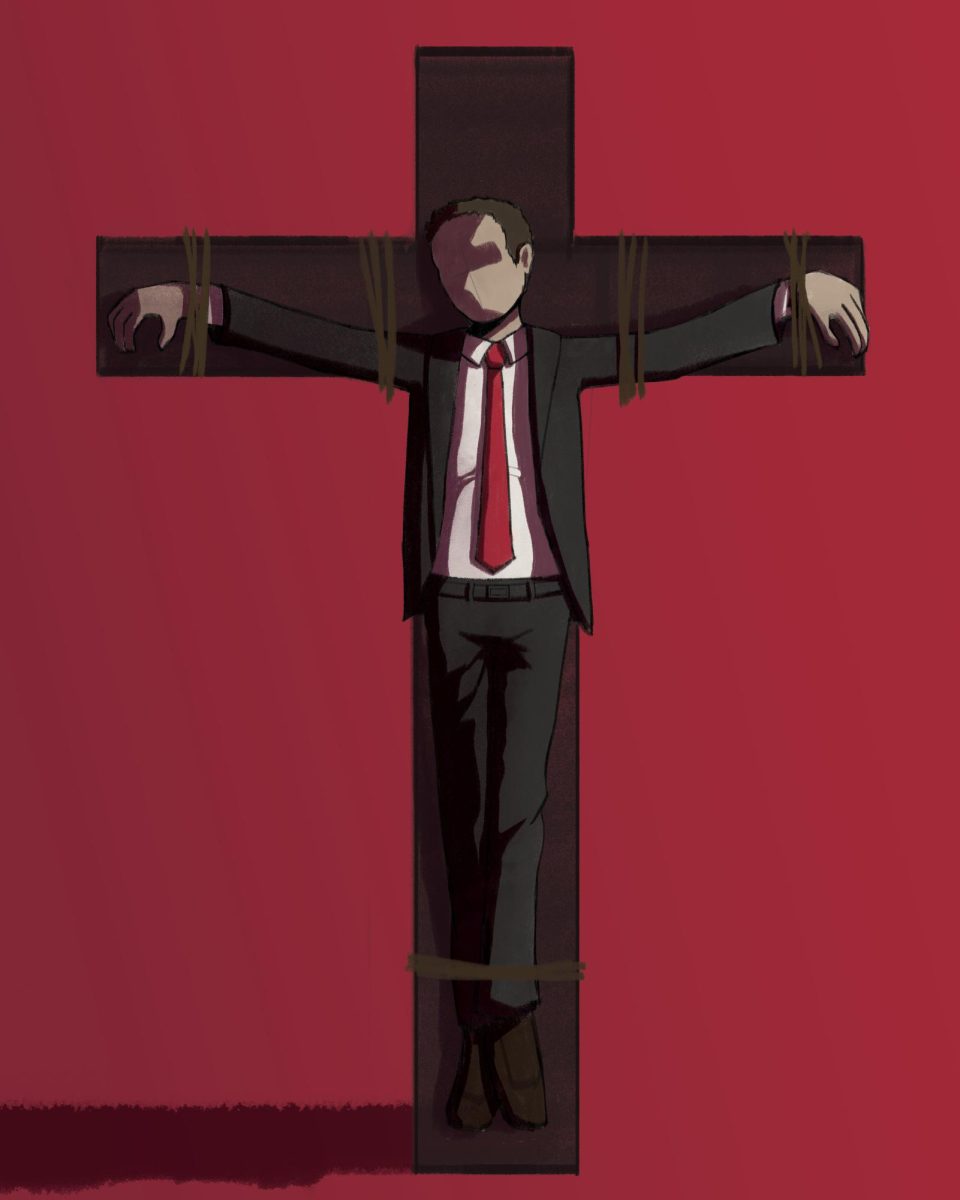
While the physical pain can be unbearable, at times it is overshadowed by the mental anguish that affects not just you, but also the ones you love. I believe that people in the end stages of their lives should be able to depart from the world when they so choose instead of waiting for the unknown arrival of their death. When my time comes, and if I am in such a position, I would want to be able to die on my own terms.
I have always believed a person should be allowed to die with dignity, which is why I am a strong advocate of implementing medical aid in dying, or MAID, across all 50 states. This practice gives terminally ill patients with less than six months to live the option to end their life through a prescribed fatal medication.
Since MAID is still somewhat new — it was introduced in the 1990s — it’s only legal in 13 states plus Washington D.C. and is essentially restricted to the New England and West Coast regions. Hopefully, though, it will one day be expanded throughout all the United States.
It’s understandable why MAID isn’t more widely legalized, as it directly goes against the original Hippocratic Oath, which states, “I will not give a lethal drug to anyone if I am asked, nor will I advise such a plan.” A core part of any physician’s identity is their duty as a healer. They endure a decade of education in preparation for when they can finally help treat others. Administering a lethal drug, as done in MAID, completely contradicts that.
However, the original Hippocratic Oath is scarcely used today, with many practitioners having replaced it with the 1964 version by Louis Lasagna that instead says, “If it is given me to save a life, all thanks. But it may also be within my power to take a life.” This change acknowledges that doctors, given their expertise, are qualified to make the best judgment in such life-and-death situations — and that’s why MAID should be allowed.
I don’t believe physicians who help perform MAID are doing harm, but rather the opposite. They are enabling the patient to die on their own volition instead of having to suffer for the rest of their life — quite literally ending their suffering. It gives them autonomy over their life, something that has likely been taken away from them by their condition. It may seem like a morally wrong practice, but I believe it’s actually a demonstration of compassion: You are following your patient’s wishes, which should give physicians some sense of relief.
Besides, it’s not like there aren’t obstacles to overcome in order to perform this act. One must meet the following four criteria: be 18 or older, terminally ill with a prognosis of six months or less to live, mentally capable of making their own healthcare decisions and able to self-ingest the medication. There are additional safeguards in place as well, so as long as the patient is of sound mind and meets the rest of the requirements, there theoretically shouldn’t be a problem.
Gavin Newsom, the governor of California, also has personal experience with this topic, as he was present during his own mother’s medically assisted death after her long battle against breast cancer. Even though he harbored hate toward her for many years because of her decision, he still chose to support MAID, signing it permanently into California law in October 2025. This is a good example of recognizing that even though something might be difficult, it could ultimately be what’s best for the other person.
We have to make these kinds of sacrifices all the time. For example, sometimes people move to another state because their partner got a job there. Though we might not want to, our love for our partner is stronger than our personal desire, so we pack up and follow.
MAID is a hard decision, and it shouldn’t be made lightly — especially since it deals with the death of an individual. It’s hard to let go of someone you love but allowing them to continue suffering isn’t in their best interest either.
Our personal feelings don’t always matter in decisions, especially ones that are not ours to make. Whether you’re against MAID for religious, ethical or various other reasons, you have to realize this practice gives these patients control over their lives for the last time. After losing control of their lives due to sickness, they should be given the chance to die with dignity.
It’s horrible to watch someone close to you suffer — physically, mentally, financially and emotionally. It’s horrible to watch your loved one deteriorate in front of you. If they would rather leave Earth early than continue to decline, they should be allowed to do so. People deserve a compassionate way to die.








Sarge • Apr 1, 2026 at 9:26 am
You people are evil