
For 43 days, our government was shut down, and all programs were effectively halted, causing delays in airports, missed pay for members of our military and the loss of Covid-era health insurance subsidies.
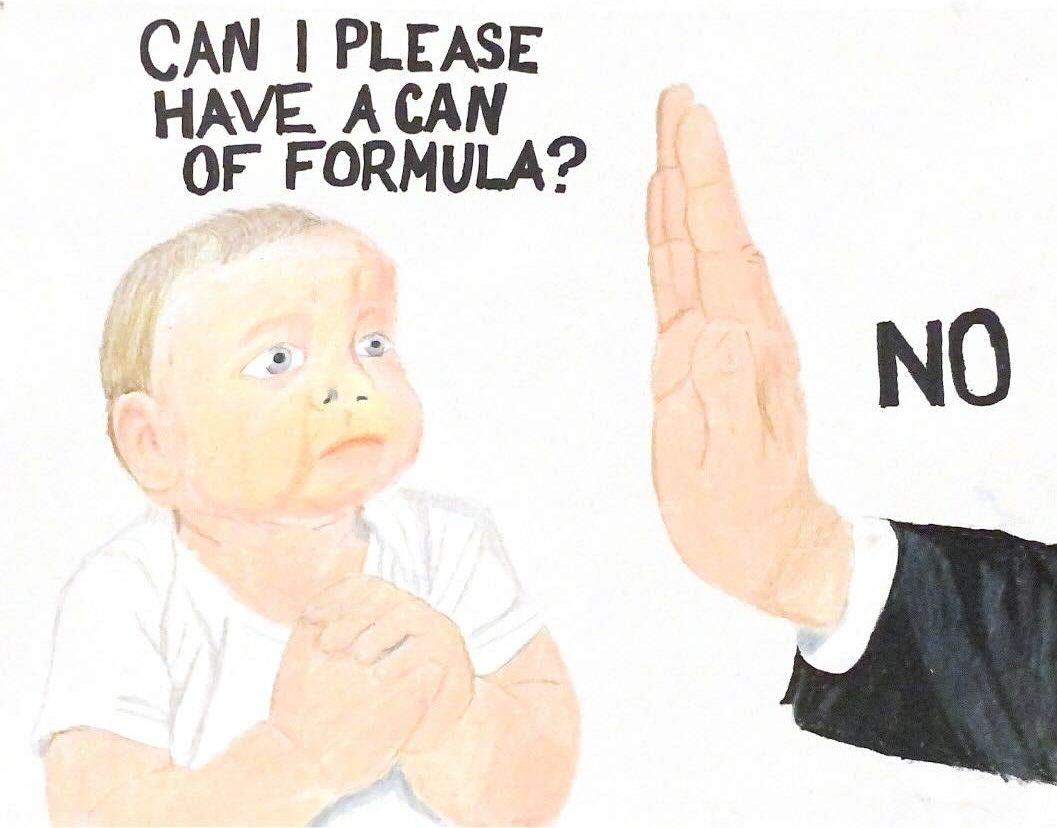
Additionally, the Supplemental Nutrition Assistance Program — commonly known as SNAP or food stamps — is the largest food assistance program and has been at the center of this controversy; the current administration’s lack of effort in paying out these benefits is significant despite court orders to pay them out.
Current SNAP recipients are now being required by the Trump administration to reapply for their benefits. Agriculture Secretary Brooke Rollins ‘94 claims that there is rampant fraud in the program, but it is very difficult to verify these claims.
These benefits are important to SNAP recipients and provide individuals and families in need with food support that they otherwise would not receive. We should be doing everything within our power to support this program and continue providing assistance that helps our entire nation.
The average SNAP household of 1.9 people receives $332 a month to help cover food costs. To be eligible for SNAP, you must be below 130% of the federal poverty line, which is determined by the size of the household and gross income.
In 2023, 79% of households that received SNAP either had a child, an elderly person or someone with a disability. These are people within our society who are most vulnerable to poverty and feel its effects the worst. When SNAP payments are delayed or cut, these are the groups that suffer most.
SNAP has always been a controversial program to many lawmakers, as demonstrated by recent claims from the Trump administration that undocumented immigrants are using SNAP.
But this simply isn’t true. Undocumented immigrants are ineligible to receive food assistance from the government.
It is exceedingly rare for SNAP fraud to actually occur, and most incidents that happen are usually from payment errors or the reselling of food purchased with SNAP benefits.
With the passing of the Big Beautiful Bill, this program will see a significant cut in benefits over the next 10 years, with the program having a budget reduction of $187 billion until 2034.
Of all the programs we should be making budget cuts to, SNAP is not one of them. Food assistance programs are one of the most effective when it comes to reducing poverty. During times of economic downturn, SNAP acts as a safety net that allows families to get back on their feet and regain stability.
The average household is only on SNAP for 10 months, and this is usually because one of the primary providers is out of a job. SNAP benefits are directly proportional to the number of persons in the household and the level of income currently received. If recipients of SNAP are able to work, there must be proof of job applications to continue receiving benefits.
In 2021, SNAP was able to keep poverty reduced by 6% during one of the toughest times in recent history. The program is effective in what it does and helps the neediest among us purchase food.
Many children are the recipients of these benefits, and access to food improves outcomes for minors. They are more likely to attend school, have successful educational outcomes and be less likely to have nutritional deficiencies. When people have access to affordable, healthy food, they will purchase it and improve their lives.
SNAP is an expensive program to run. Yes, our government spends around $99.8 billion every month to help people be fed. However, this is a direct investment into our communities and economies. Every dollar spent on SNAP has an estimated multiplier of a $1.54 increase on the United States’ GDP. When billions of dollars are being spent, this drives our economy further and creates jobs and boosts growth.
These dollars are put directly into the communities of their recipients, helping out businesses and keeping everyone prosperous. A rising tide raises all ships, and that is what SNAP does to towns and cities all over the U.S.
What most people forget is that we are all much closer to relying on SNAP than being in a financial position to never have to worry about such a program. Only 46% of Americans have enough money saved to cover up to three months of expenses. Simply put, you are likely not safe from having to rely on SNAP.
We should be comfortable with living in a society that says it’s okay to support our most vulnerable; food pantries and nonprofit organizations should not be the only groups responsible for taking care of them.
There are people within our government who are trying to dismantle SNAP and cut funding that goes directly to our poorest Americans. It is our responsibility to recognize the importance of SNAP and voice our support for food assistance programs.
The time to support SNAP is now, and we need to act fast.
Wyatt Pickering is a business honors and finance junior and opinion columnist for The Battalion.




Sarge • Dec 10, 2025 at 12:59 pm
Is this the same guy who was crying about hazing?
Judy LeUnes • Nov 25, 2025 at 8:52 pm
Thanks for writing this important piece of information!!
Carol Snowden • Nov 25, 2025 at 6:56 pm
Excellent historical analysis. And more simply, it’s the right thing to do.