


Rating: 8.5/10
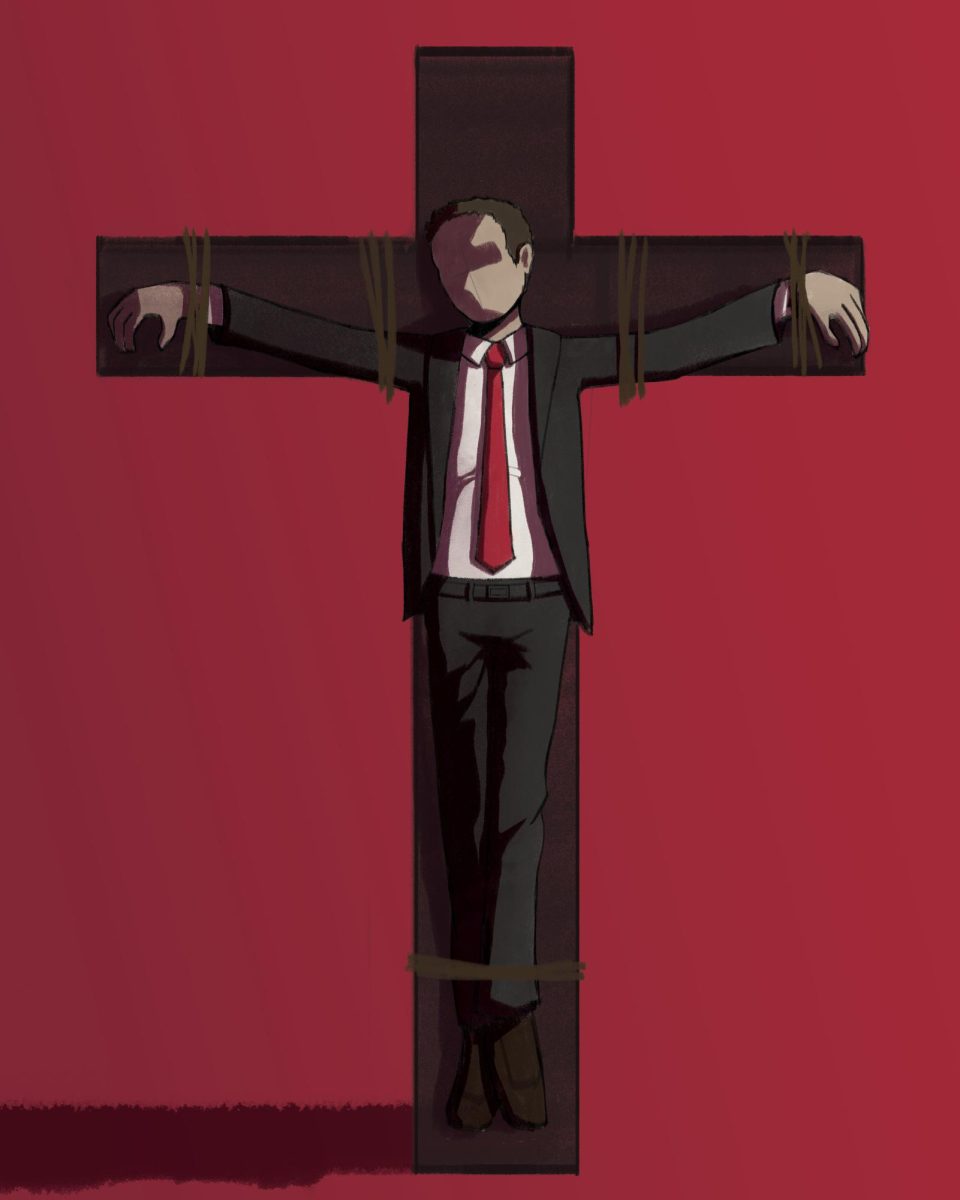
If one were to show this album to a Victorian child, many things could happen. They might spontaneously combust, self-destruct or need multiple bottles of holy water from their local parish to cleanse themselves of what they just heard.
Thankfully, however, we aren’t living in the 1800s. We are living in the Big 2026, and while some people today might reject this kind of music or may seek religious counseling after, I choose to bask in the glory of Nettspend and be sanctified by his new album, “early life crisis.”
His first studio album since his 2024 mixtape “BAD ASS F*CKING KID,” the 18-year-old phenom sticks to his roots all the while exploring new territory, expanding his musical range and abilities.
For those unfamiliar with him and his art, Nettspend hails from a new-gen wave of hip-hop called “jerk rap” — yes, that’s its actual name. A reinvention of the 2000s West Coast music and dance scene, this subgenre is a fusion of rage, hyperpop and rap, with artists such as xaviersobased, EsDeeKid, fakemink, Fimiguerrero and others pioneering its distinctive 2020s sound.
Jerk rap is definitely something you won’t hear on your local radio station, but rather lurking around social media and on music streaming platforms like SoundCloud. Slowly but surely, however, it’s gaining mainstream popularity, with “early life crisis” set to give the subgenre a boost in recognition.
Nettspend paces his newest musical feat dynamically, not straying away from what he wants to present to his fans. There isn’t a drastic shift in tone from his previous works either, the album embodying a coming-of-age of sorts as he presents a much more mature and confident sound.
This maturation stems from his excellent production abilities, which are on display throughout the album. Most notably, the underground artist breaks ground with the great sound variation he weaves into this record, with songs like “masked up (feat. YoungBoy Never Broke Again)” and “shades on” giving us that classic Nettspend energy we’re used to hearing, while others such as “meet me in richmond” rein in that energy but compensate with interesting flow choices that help elevate the album overall.
However, this isn’t a completely original project — despite what he might have intended. Seemingly wanting to pay homage to the many musical influences serving as his inspiration, certain aspects of the album’s composition instead feel like he’s just ripping off others’ sounds and styles.
His voice and flow on “ce” is exactly like that of Playboi Carti, and “trap house 2016” — one of my personal favorites from the album — sounds like a knock-off Ken Carson beat. He presents as wanting to break away from these powerhouse rappers to form his own identity, but instead falls into the trap many other artists have themselves been victims of, ultimately being labeled “copycats.”
But we need music like this — as much as people say otherwise. It’s incredibly important that such up-and-coming sounds and artists get highlighted and considered alongside what listeners consider “the greats.”
In the 1960s, there was a great divide between what was considered high and low art. As the battle between rock and pop raged on, a distinction was drawn regarding what should be grouped within these critical categories. Following the split of these warring genres, rock ultimately emerged victorious, and pop was relegated to the less prestigious end of the musical spectrum, with any music in this category treated as subpar and unworthy of praise.
From this battle, a new movement was born: “poptimism,” meaning the complete opposite of what musical pundits intended from the contrast. Poptimists beg listeners to treat pop music as an equal of the critically acclaimed and adored rock genre, advocating that it should garner the same amount of respect, even though it may not be considered as “serious” as its counterpart.
Am I going to pretend like Nettspend is the greatest lyricist and musical philosopher of our time? Not at all; he couldn’t be further from it. But not everything needs to be introspectively and psychologically demanding for us to enjoy it. There is a space for the kind of music that Nettspend delivers, and it’s time we start categorizing it at the same level as that produced by the hip-hop greats and other musical genres created for critical fame and praise.
This is the modern pop. Fans of this beloved genre might throw this album away and disregard it, but how can you not appreciate its artistry and impact? Yes, it might make your ears bleed from its overproduction and incoherent lyricism, but that might just be the whole point.
Nettspend doesn’t take himself seriously, and I don’t expect him to. At the end of the day, he’s only a teenager, and his music should reflect that tumultuous stage of adolescence. No one is expecting him to be the next Kendrick Lamar or win a Pulitzer; it seems that he wants to make music that stays true to himself — that’s something any music or cultural aficionado should value.
So, let this be a warning: “early life crisis” is loud, obnoxious, offensive and hostile. It’s an all-out attack on every one of your senses, not letting up its relenting sound for anyone. But it’s easily one of the best listens of the year, and if you’re into this kind of music, it might end up changing your life.
Joshua Abraham is a kinesiology senior and associate opinion editor for The Battalion.