

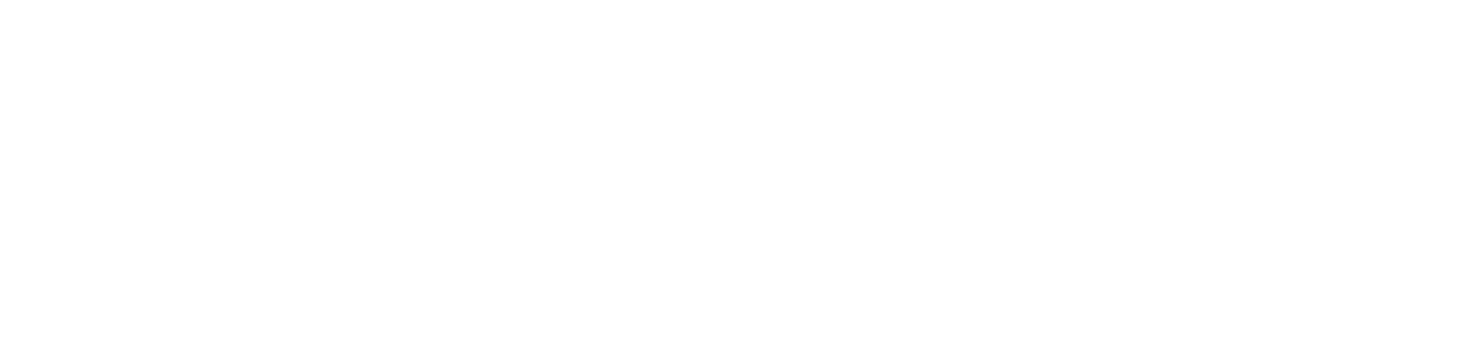

Imagine feeling uncomfortable in your body and wanting to focus on becoming healthier, maybe losing some weight, too. You document the journey online to keep yourself accountable, and as you hit share on your first post, the first comment you get accuses you of “betraying body positivity.”
Why?
Body positivity is a social movement that originally began in the late 1960s as the Fat Rights Movement. The goal was simple: to obtain equal rights for fat people and end unfair treatment and discrimination — a totally reasonable cause. The movement continued to grow and began advocating for people to “Love your body.” Then, as the internet came along, this movement migrated to social media websites like Tumblr, Instagram and Facebook, evolving into what we now know as the body positivity movement.
Today, however, body positivity has become a social media buzz phrase, and its original intent has been misconstrued. It stopped being about liberation and instead mutated into a rigid ideology that pressures people into loving themselves even if they don’t, ignores real medical problems for the sake of protecting feelings and shames those who want to change their bodies.
Performative self-love
I’ve spent around half of my life hating my body, which I know is an experience many people sadly share. If you have experienced this, then you know how hard it is to view your body in a different way. I’ve only recently become neutral about my body, and even then, the shame and hatred still surfaces when I’m feeling down.
The body positivity movement on social media pushes you to “love your body,” but by doing so, it unintentionally creates a new standard that you must love your body and feel positive about it. This puts stress on people who are body neutral or struggling to change how they view themselves. It’s unrealistic to expect someone who’s spent years of their life hating their body to suddenly do a 180 and love themself. Unfortunately, this movement has made it seem that if you don’t automatically love your body, then there’s something wrong with you.
This unrealistic standard makes it more difficult for people to accept themselves for who they are and instead creates feelings of guilt and shame. Behaviors are hard to unlearn, especially when you’ve practiced them for so long. Because of this, many mental health professionals have begun advocating for body neutrality as a more realistic goal — you don’t have to love your body, but it shouldn’t define your worth. Self-love is a journey that should be at your pace, not one dictated by social media.
Dismissing medical reality
Another idea that’s been floating around body-positive social media is that you can be healthy at any size. This stems from the Health at Every Size’s framework that follows five main principles: weight inclusivity, health enhancement, respectful care, eating for well-being and life-enhancing movement, aiming to shift the talk from weight loss to health gain. Encouraging healthier habits and respectful healthcare at every size is reasonable, but claiming you can be healthy at any size is simply not true. It’s a dangerous narrative to push out on social media because, at a certain point, the size you are can begin to negatively impact your health.
The body mass index, or BMI, while an imperfect tool that doesn’t account for muscle mass or genetics, remains useful for identifying dangerous extremes.
The BMI scale has three classes of obesity: Class 1 (30-34.9), Class 2 (35-39.9) and Class 3 (40<). The higher the BMI, the more at risk you are of developing health conditions like Type 2 diabetes, high blood pressure, heart disease and stroke. Additionally, being obese — particularly those in Class 3 — increases your chance of early mortality.
But it’s not just obesity — being extremely underweight is just as, if not, more dangerous. You can experience complications such as weakness, osteoporosis, loss of energy and a weakened immune system. If you’re a woman, you’re also more likely to lose your period. Most strikingly, being extremely underweight carries a higher mortality risk than extreme obesity — a fact that rarely gets the same attention.
Neither extreme is healthy, making it impossible to support the claim that you can be healthy at any size. You can certainly be bigger or smaller and still be healthy, but not at these extremes.
Health isn’t a one-size-fits-all concept — some people will naturally look bigger or smaller. Genetics plays a significant role in weight distribution and the ability to build muscle, and you’re unable to change this. Additionally, some people have health conditions that can change how their bodies look, even if they’re not doing anything differently.
To truly be body positive, we should encourage people to pursue a standard that’s attainable for them — one where they have energy and strength to support themselves, as well as healthy vitals and bloodwork. Treating everybody — and every body — with respect is important, but that doesn’t mean pretending that you’re healthy when you’re not.
Wanting a change
“If you truly loved your body, you wouldn’t want to change it” is a common argument I hear from people who claim they’re body positive, and I think this misses the entire point.
True body positivity means having the freedom to make choices about your own body — including the choice to change it. There’s an important difference to consider, though: Wanting to change things out of self-hatred is not the same as wanting to change things out of self-care. It feels like this movement has lost sight of that difference.
There’s also a line between what’s changeable and what isn’t. You shouldn’t want to change things that are outside of your control, like height, bone structure or genetics, but having goals related to your health or fitness is completely reasonable.
Sometimes the most body-positive thing a person can do is to turn their life around to become a healthier version of themselves. Working to be a healthier person doesn’t automatically mean losing or gaining weight; it means nourishing your body with whole foods, finding a form of exercise you enjoy and focusing on accepting yourself. If the true goal of the movement is for people to feel comfortable in their own skin, then people should have no problem with you working to take care of your body.
Real body positivity should mean the freedom to accept yourself, change yourself or land somewhere in the middle without any judgment; it should mean having honest conversations about health instead of comfortable fictions; and it should mean accepting people where they are, not telling them where they should be.
The body positivity movement had the right idea — it just needs to find its way back to it.
Abby Morris is an English and political science junior and opinion writer for The Battalion.










Pythor Sehn • Apr 14, 2026 at 10:50 am
I agree, especially on the “healthy at any weight” point. When I first read about that in a women’s magazine, I thought two things: they’re capitulating to their readers’ demands for a comfortable illusion rather than the truth, and they just sentenced a bunch of people to death. Being overweight is the number one cause of death in more advanced economies. It’s directly linked to heart disease, diabetes, and half of all cancers. Body positivity has been hijacked by people looking for a way to excuse poor lifestyle choices.
Kell Brigan • Apr 9, 2026 at 11:53 pm
By your standards NO ONE can be “healthy” at ANY SIZE. You’re condemning people for being ill rather than supporting the quest for actual health rather than (temporary) weight reduction. YOU DON’T KNOW WHAT YOU’RE TALKING ABOUT. There is NO way to safely and permanently turn fat people into thin people and trying to eradicate fatness from the face of the earth is far deadlier than working to help fat people be healthier in the size bodies that are normal for them. Your paradigm is hypocritical and worthless. Do you condemn thin people for having osteoporosis? Do you tell them they should have eaten themselves into fatness (that’s not any more possible than not-eating to be come thinner, by the way)? Do you condemn Black men for being barrel-chested and having higher rates of heart disease as a result? Your demand that fat people work over and over to try to become thin people IS KILLING US. WE REFUSE TO DIE IN OBEDIENCE TO YOUR WEIRDO COMMANDS. If you “care” so much, work for HEALTH AT EVERY SIZE in it’s TRUE MEANING, not the childish straw man you’ve painted over the truth.