

Too often have I caught sight of men disgraced by one offense or another. If you observe carefully, you will notice just how often backhanded comments, brazen insults or boisterous bullying are tolerated without retaliation. The absence of consequence only reinforces — and may incentivize — such shameless impudence.
Along similar lines, how often do petty disputes escalate into prolonged campaigns of passive aggressive subversion, indirect acts of sabotage and strategic smear campaigns within shared social circles?
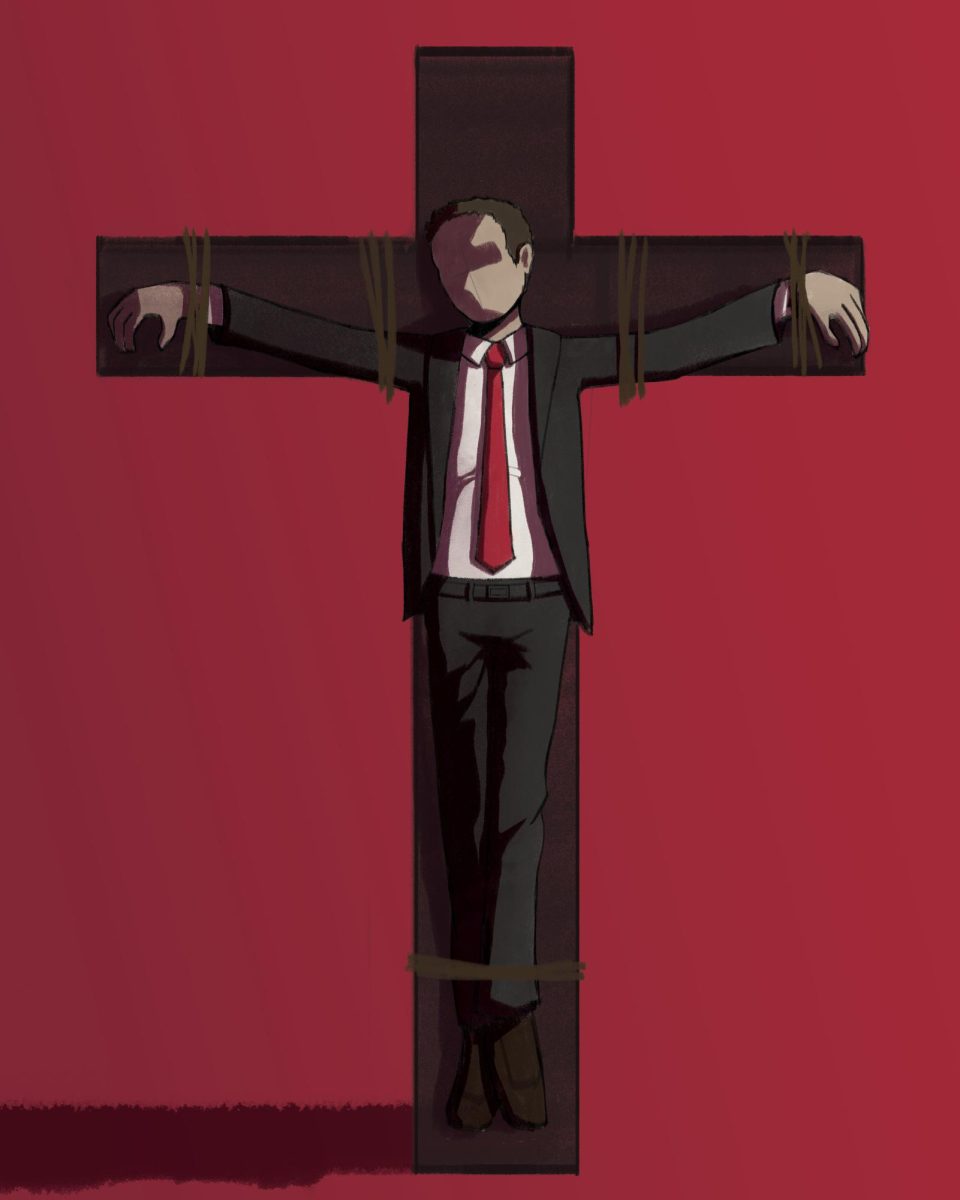
The truth is, our generation has become shackled with an expectation to resolve its interpersonal issues as weak-willed, apologetic pacifists. How can one bear to look upon themselves in the mirror when they have been so audaciously victimized, in some cases on a regular basis? It is an utter disgrace.
Do not forget your worth. In civilized societies, the preservation of character was a principal expectation, evident among the Romans, Norse, Japanese and Persians as exhibited by Mos maiorum, Holmgang, Bushido and Javanmard, respectively. During such times when virtue was abundant, those with honor could act to defend their dignity.
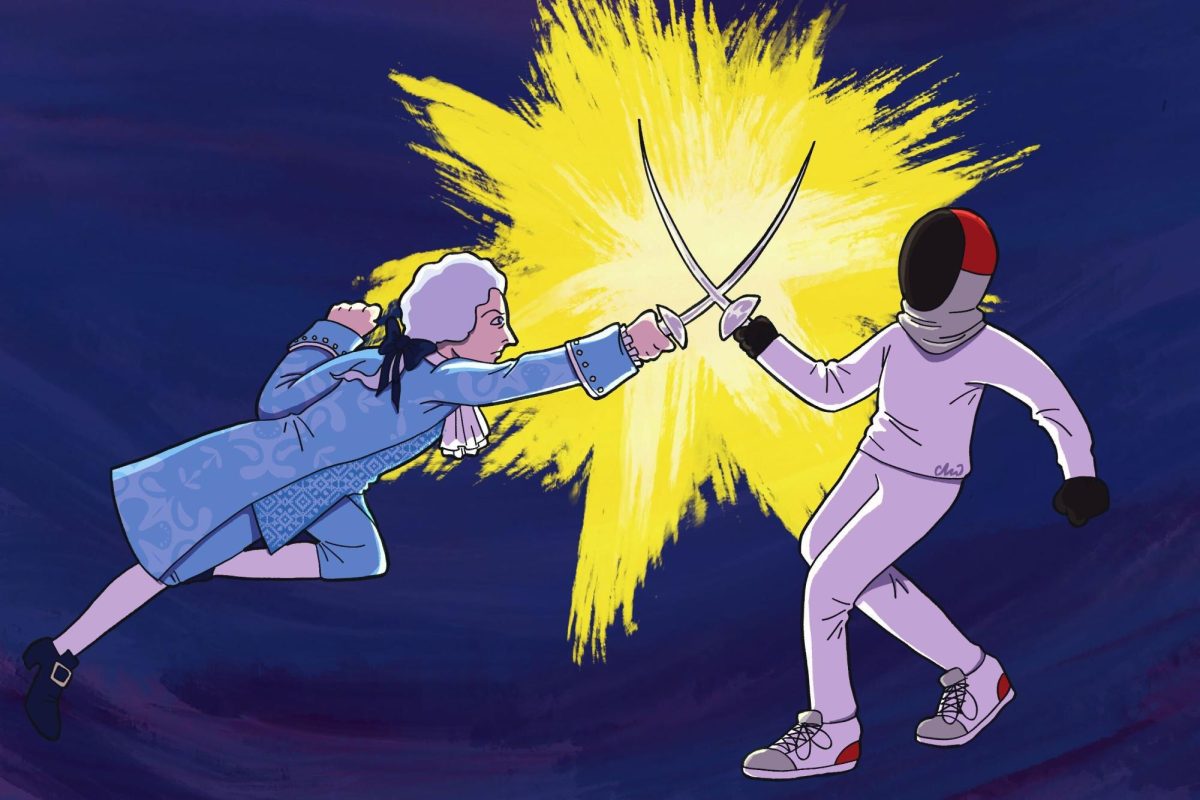
The medium of retribution was, and should be, the duel.
Sword, spear, shield, fist — various cultures approach the ritual differently, each with its unique rules and reasons. However, in Western tradition, the blade has ultimately emerged as an enduring evolution of what was once trial by combat. Formerly a judicial task, it has now been adopted as an elite sport, albeit not necessarily detached from its noble roots.
Contemporary fencing still functions as a one-on-one bout between two opponents, retaining a conservative culture of respect, excellence and formality. That culture is reinforced by a network of prestigious academies, commanding coaches and the intrinsic attitude one assumes when they don their pure white uniforms, dark metal mesh masks and French accents.
The modern sport of fencing consists of three distinct weapons, each inspired by a particular historical practice. The first is the foil, the lightest and most flexible, whose target area consists exclusively of the torso on account of duelists having historically sought to consistently impale vital organs rather than superficial limbs. The saber is a slashing sword with a target area inclusive of everything above the waist, obviously adapted to train horse-mounted cavalry. Last, the epee is a semi-stiff thrusting weapon used to simulate realistic duels with, naturally, an acceptable target area of the entire body from head to toe.
Centuries of innovation and history have delivered us the perfect weapons to realize a system of modern dueling that can accommodate both lethal, non-lethal and semi-lethal methods of engagement. However, these weapons ought not be confined to the artificial and commercial realm of the Olympics and International Fencing Federation — they should be in the hands of each and every model citizen.
Those who may denounce this proposal as a regression toward senseless violence are misguided. Duels can easily be decided by first-touch or first-blood rules, with the humiliation of loss or the pain of a minor flesh wound serving as effective disincentives for insolence. In fact, the strict structure and mediation of duels would probably prevent further escalation of serious conflicts.
It is vital that any incidence of combat is conducted in accordance with an existing social contract or codified order, otherwise all would degrade into common street fighting and serve as a justification for unwarranted assault. Even if there isn’t oversight, gentlemen must be expected to always abide by an unspoken etiquette and demonstrate clemency when necessary.
The tragedy of the present era is that men have conflated absolution with resignation; no effort is made to demand satisfaction or condemn those who have done wrong in the first place. At the same time, man at present masks his insufficiency through performative acts of cruelty — in no way related to the righteous virtue of disciplined sternness.
Perhaps this is why postmodern leaders have become brutish cowards, inflicting unquantifiable harm upon the world and sending thousands to die in their place while they hide in golden ivory bunkers. However, with the revival of dueling, I can imagine nations led by patricians willing to fulfill the act and oath of the Horatii.
No longer would we be subjected to the egalitarian ethical mandates of pity, forgiveness and victimhood. Instead, those who dare to transgress would be forced to confront justice or suffer shame.
Aidan Zamany is a political science sophomore and opinion writer for The Battalion.