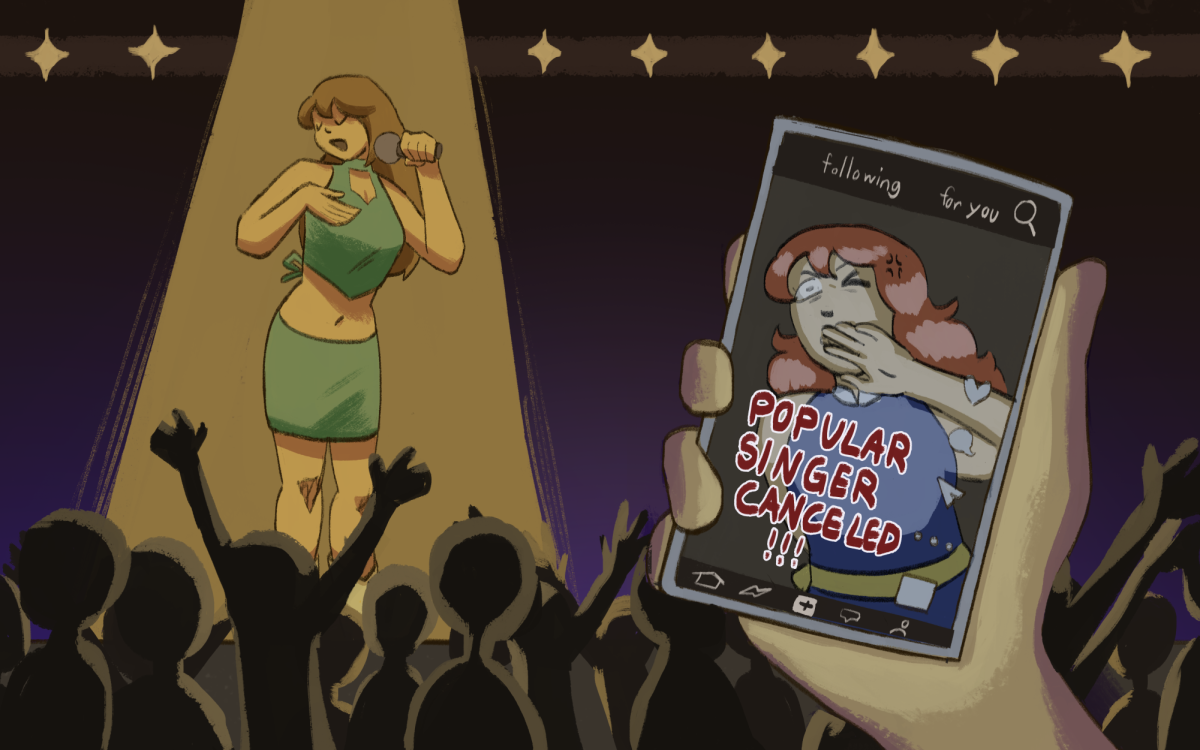



I’d bet most of you have seen an Instagram Reel or TikTok along the lines of one of these phrases: “10 signs you’re not a good partner,” “Five goals every couple should have” or “Things that are not normal in a relationship,” followed by the worst suggestions you’ve ever heard.
It feels like social media has been flooded with relationship content full of unsolicited advice and absurd claims in the past few years. Unfortunately, this content tends to do more harm than good.
While I have received good date and gift ideas through social media, the amount of negative content I’ve seen far outweighs the positive. The dark side of this content can make you question everything about your relationship and plant seeds of doubt in your mind.
The truth is, social media isn’t helping relationships — it’s only hurting them and creating unrealistic expectations.
As humans, we tend to have a negativity bias, meaning we register negative stimuli more readily than positive ones. Social media capitalizes on this by pumping out negative content, which in return gets more likes and shares. Algorithms consider signals such as engagement and relevance to rank posts on your feed, providing suggestions based on your activity. This means that interacting with one negative reel longer than usual can cause your feed to continue showing you content that triggers feelings of anger, sadness or doubt.
This impacts relationships by throwing us through a whirlwind of emotions. In presenting content that promotes dissatisfaction with our partner’s actions, jealousy of other couples who seem happier and doubt about the strength of our relationship, we tend to ruminate on these negative feelings; over time, resentment can build up and cause significant problems for couples.
This isn’t the only way social media harms relationships: When we use, we are constantly observing others’ lives, driving us to compare ourselves, whether unconsciously or subconsciously. People are more likely to engage with upward comparison, propelling feelings of inferiority and insecurity onto themselves.
This is especially common in relationship content, as couples’ posts tend to be highlight reels. Our feeds show us lavish proposals, extravagant gifts and expensive date nights, making us think this is the norm. We compare ourselves to these online couples and think we’re not doing enough, or we’re not in love enough. This just feeds our insecurity and doubt, causing unnecessary problems.
The fact is, these are unrealistic expectations for any average relationship.
More often than not, we don’t have the time or money to do these kinds of things for our partners on a regular basis, especially as busy college students. We have classes, organizations, jobs and other responsibilities. Our days don’t revolve around curating the perfect social media post.
These influencer couples post their lives for a living, so, of course, everything they post is going to look perfect. They get money from interactions; the more extreme they can make something — whether positive or negative — the better they do financially. Posts like these are made to push people to engage with them. They want you to scroll through the comments and read other people’s takes or experiences. All that time you spend on their reel is money in their pocket.
These influencers are just chasing engagement. Your doubt about your partner’s love for you keeps you on their post longer; It’s a win for them and a loss for you.
You shouldn’t let their extreme content get in your head. Just because a post tells you that “If your boyfriend doesn’t get you flowers every week, he doesn’t love you” doesn’t make it true. Let’s be real, what college student has the money to buy flowers that often? Flowers are expensive nowadays.
In reality, relationships aren’t about the perfect dates or high quality gifts — they’re about the effort.
Life isn’t perfect. People are busy with their careers, families and other responsibilities. Sometimes we don’t have the time to go on a date every week, lay rose petals down the hallway, blow up 100 balloons or light 100 candles to ask our partner to be our Valentine. This doesn’t mean we have a bad relationship — it just makes us human. We don’t have to be like influencer couples to have a healthy relationship.
I know it can be hard to not compare yourself to people online. I’ll see a video of a guy going above and beyond for his partner — making her a bouquet the size of her head, learning how to do her nails or planning her dream vacation — and it makes me wonder if my boyfriend isn’t doing enough. This is how I know I’m way too deep into social media, because these are totally unrealistic expectations for the average person.
My boyfriend is an engineer, so he’s constantly stressed and swamped with work. Yet he still manages to make me feel loved and special with little “I’m thinking of you” gifts and constant compliments. This is what should matter — a random hug, compliment, doing something nice for your partner or cooking dinner together — the little things. You don’t have to buy your partner a ton of gifts to prove you love them. You can prove this by listening to them, working together to fix problems and helping each other become the best versions of yourselves. These faux-societal expectations are ridiculous and unrelatable for most. It makes for interesting content, but it doesn’t resemble reality.
Do yourself a favor and get off your phone. Better yet, delete Instagram or TikTok for a day — or forever. Stop letting some words from a video get to you. These posts are designed to get interaction; they aren’t a template for how your relationship should look.
You are in charge of your life, your decisions and your relationship. Don’t give these influencers power over you. As long as you’re satisfied with what your partner is doing and you’re happy, that’s all that matters. Don’t let social media ruin everything you’ve built together — it’s not worth it.
Abby Morris is an English and political science junior and opinion writer for The Battalion.