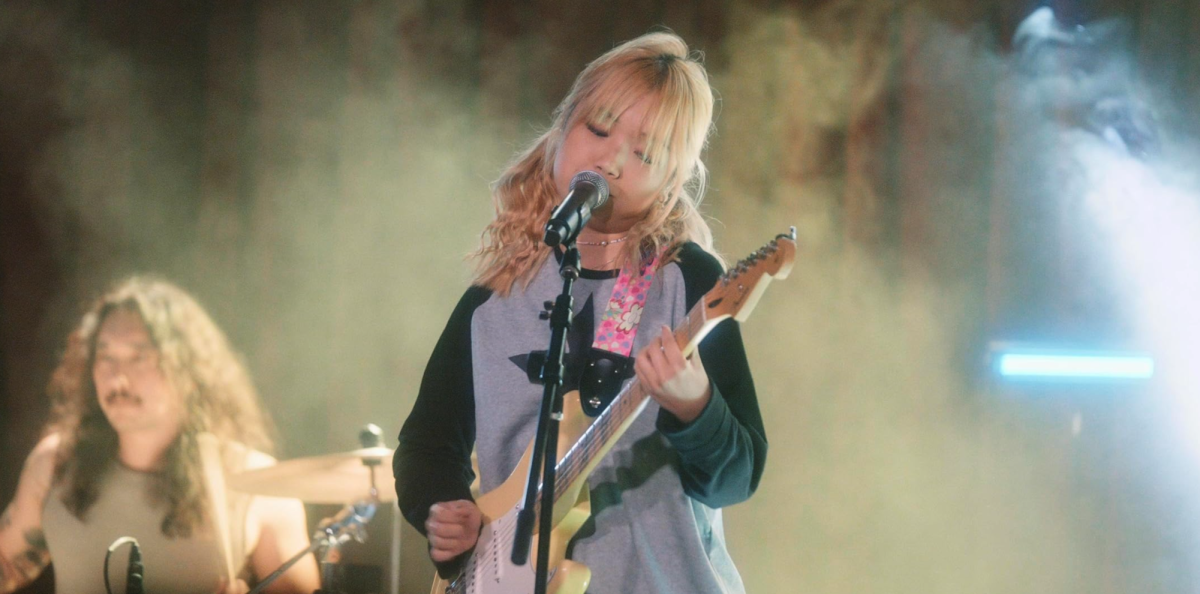

I used to dance for fun. Not for awards, not for clips, not for who might someday watch me — just for the music, the movement and the way my body felt alive.
Then came the competitions and, with them, new skills to learn simply because everyone else was. Suddenly, my hobby had a path and a future attached to it — whether I wanted one or not. Not just a future, either, but something it could become. Something useful. Something profitable.
It wasn’t just fun anymore, it was a project.
Piano started as a complement to dance, something to help me better understand rhythm. Then it was the reason I picked up violin in middle school, and when that wasn’t enough, it became about competitions, judges, medals — someone else’s idea of “impressive.” Music, which once felt light as air, had turned into a weighted calculus problem: What brings the best result? What earns the highest score?
Reading was no different. I fell in love with books because they transported me — until they didn’t. Reading became something “good for me,” something to leverage on college applications. Soon the fiction I enjoyed became rare, replaced with books meant to teach, prepare and train my mind. I found myself comparing reading lists online, tracking speed and turning every page into another form of data. It wasn’t about what I loved — it was about what looked good.
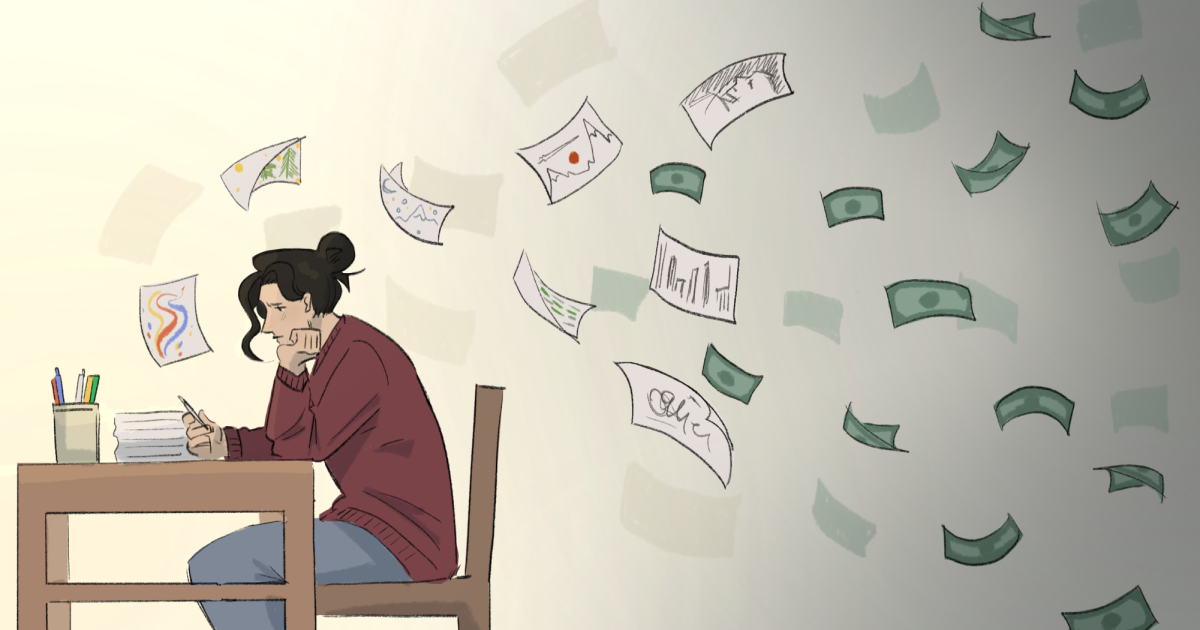
My curiosity, once a wild garden of interests, turned into a manicured strategic plan. I wanted to study graphology, but my brain immediately thought if it could help me with a future career. I loved languages, but each new word was another checkbox toward utility. And poetry — real, messy, personal — became another internal calculation: Could I post this on Instagram? Would it build engagement? Does it belong in a portfolio?
I started to realize my brain could never turn off “business mode.” Every hobby, every interest and every tiny spark of joy was measured for its output. Even leisure had to have a quantifiable purpose. A hobby didn’t feel valid unless it could become something more — a side hustle, a resume line, a marketable brand.
Not everything you enjoy needs to be profitable. Not everything you’re good at needs to be sold.
This isn’t just me being dramatic; it’s cultural. We live in a world that treats rest as laziness and productivity as purpose. Look at the creators we admire online. Their days are full of back-to-back meetings and multiple projects, podcasts, drops and launches.
And we don’t just watch — we aspire to have this lifestyle, bragging about our color-coded calendars like they’re trophies. We’ve convinced ourselves that being busy is better than being content. Productivity is the gold standard, output matters more than experience and achievements outweighs joy. And somewhere in that shift, hobbies stopped being escapes and started being opportunities.
But when did curiosity become a liability? When did enjoyment start needing justification?
When did we start treating enjoyment as a rehearsal for something “real?” Why is a hobby only valid if it leads somewhere — somewhere profitable, somewhere impressive, somewhere verifiable?
I started to notice the toll of this mindset in the tiniest moments. A weekend spent reading “just because” would spiral into a comparison of reading lists and TikTok book stats. A piano session meant to relax would turn into a thought exercise: Could this help me later? Even dancing alone in my room felt tainted by future-oriented thinking.
My hobbies weren’t hobbies anymore. They were investments, each with a potential return and needing a purpose.
And here’s the danger: It’s not just joy we lose, but curiosity itself. When every action is merely a means to an end, experimentation becomes a risk, exploration becomes effort and failure becomes unforgivable. I stopped trying things just to see where they took me. Everything was weighed, everything was transactional — even movement, even wonder, even curiosity.
I saw it in how I chose classes. I saw it in how I chose clubs. I joined the yearbook in high school partly because I loved it, but also because I thought it would help my writing and storytelling — help my major, help everything I would someday do. That path led to writing for “The Battalion.” And even now, every story I write feels strategic — not just artistic, not just expressive, but preparatory. It’s amazing.
And it’s also another task on a checklist.
So here’s my quiet rebellion: I started doing things just for myself again. I write poems with no intention of sharing them, I pick up new skills because they look fun, I play violin for a piece that moves me rather than for awards and I read books I adore, not books I can justify. These are small acts, but they feel almost radical in a world where leisure is treated like a Key Performance Indicator.
When you allow a hobby to exist without the pressure of performance, you reclaim pieces of yourself that ambition quietly took. You remember why you fell in love with the thing in the first place — not because it was impressive, or profitable, but because it felt good. Rest doesn’t make you lazy. Curiosity isn’t optional. Enjoyment isn’t inefficient.
And I’m not saying drop ambition. Purpose matters, as do goals and growth. But there’s a difference between pursuing something with intent and living constantly like every moment is an interview for your future; there’s a difference between building a life and optimizing one.
So try this: Read a book because it excites you, not because it looks good on a resume. Write something that isn’t meant to be shared. Dance like no one is watching — because no one is. Explore a skill with no audience deadline or metric.
Hobbies are not side hustles, nor are they investments. They are reminders — of joy, curiosity, humanity. And in a world that constantly tells us to perform, monetize and optimize, that’s not just rebellion — it’s self-preservation.
Prachi Arora is a political science freshman and opinion writer for The Battalion.